
Can a 1500 Watt Power Inverter Run a Welder?
Yes, but with limitations. A 1500W pure sine wave inverter can run small hobby welders (such as 110V inverter welders up to 80–100 amps) if the inverter has sufficient peak surge capacity (typically ≥3000W). Larger welders or continuous high-amperage welding will require a 2000W–3000W inverter.
Key requirements:
- Pure sine wave output – modified sine wave can damage welder electronics
- Peak surge ≥3000W – to handle the startup and arc strike
- Adequate battery bank – welding draws high current; calculate your battery capacity accordingly
This guide walks you through the power calculations, must-have features, and installation tips for welding with a 1500W inverter.
Welder Power Requirements: What Size Inverter Do You Need?
Before choosing an inverter, check your welder’s power specifications. Most welders list both input current (amps) and power consumption (watts) on the label.
| Welder Type | Typical Running Power | Required Inverter (Continuous) | Required Surge (Peak) |
|---|---|---|---|
| 110V Inverter Welder (80–100A) | 800–1200W | ≥1200W | ≥2500W |
| 110V Inverter Welder (140A) | 1400–1800W | ≥1800W | ≥3500W |
| Small Spot Welder | 500–1000W | ≥1000W | ≥2000W |
A 1500W inverter is best suited for small inverter welders in the 80–100A range. For larger welders or longer welding sessions, consider a 2000W or 3000W inverter.
Advantages of a 1500 Watt Power Inverter
A 1500 watt power inverter is a versatile choice, offering enough power to run various household appliances, tools, and electronics. This inverter size is ideal for moderate power needs, making it suitable for applications like powering small tools, fans, and portable devices. For those in remote locations or on-the-go setups, a 1500 watt pure sine power inverter provides ample capacity without excessive energy draw, ensuring longer-lasting power when relying on batteries.

3 Key Features to Look for in a Welding Inverter
If you plan to run a welder regularly, look for these specifications:
| Feature | Why It Matters |
|---|---|
| Peak Surge Capacity | Welding requires a burst of power at arc strike. Ensure the inverter’s surge rating is at least double the welder’s running wattage. |
| Pure Sine Wave Output | Essential for stable arc and preventing damage to welder electronics. |
| Active Cooling (Fan) | Welding draws sustained power; a good cooling system prevents overheating and shutdowns. |
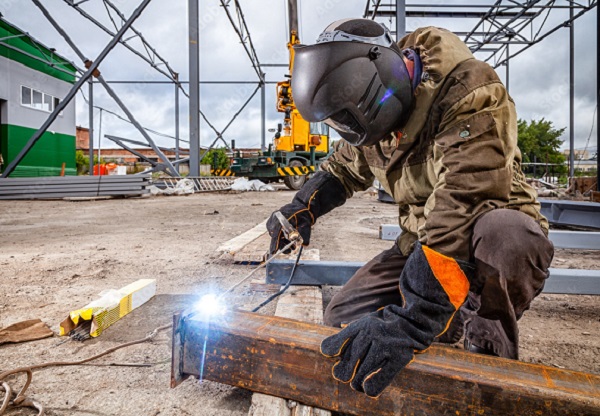
Selecting the Right Power Inverter for Welder Applications
When choosing a power inverter for welder applications, it’s crucial to consider the welder’s power needs and inverter specifications:
- Wattage Capacity: A welder typically requires significant power. Inverters rated at 1500 watts may work for lightweight welding tasks but may struggle with more robust welding tools. It’s essential to match the inverter’s wattage with the welder’s requirements to avoid overload.
- Pure Sine Wave Output: Welders perform best with pure sine wave inverters, which provide clean, consistent power similar to a standard power grid. This output type ensures the welder functions smoothly without risking damage or performance issues.
- Cooling System: Since welding requires sustained power, look for inverters with advanced cooling systems to prevent overheating.
Optimizing Installation for Inverter Performance
Proper installation is key to getting the most out of your 1500 watts power inverter. Follow these guidelines for optimal setup:
- Ventilation: Place the inverter in a well-ventilated area to reduce overheating during high-demand tasks.
- Secure Connections: Use high-quality cables and ensure all connections are secure to maintain consistent power flow.
- Battery Compatibility: If using a 48V power inverter, confirm that your battery setup matches the voltage requirements for smooth operation.
Why Pure Sine Wave Matters for Welding
When powering a welder with an inverter, pure sine wave output is non-negotiable.
- Modified sine wave inverters can cause:
- Unstable arc and poor weld quality
- Overheating of the welder’s internal components
- Potential damage to the welder’s control board
- Pure sine wave inverters deliver clean, stable power that mimics grid electricity. Your welder will perform consistently, and sensitive electronics inside the machine will remain protected.

Powering Your Welding and Tooling Needs with Efficiency
For those needing versatile power solutions, a 1500 watts power inverter paired with a 48V power inverter can provide ample capacity and efficiency, particularly for demanding tasks. Whether powering a welder or supporting larger electrical setups, choosing the right inverter can ensure you meet your power needs reliably and effectively.